Author Archives: Greg

Essential Oils For Lyme+ Masterclass Series Oct 5-9, 2020

I just wanted to let you know about something pretty cool I’m offering soon….

And to make sure to tell you to save the date for Mon October 5th at 4pm.  

This is an opportunity that you do not want to miss!

I will be hosting a FREE Masterclass Series on Essential Oils for Lyme+” on using essential oils and natural remedies to treat Lyme disease and other chronic illnesses.

A basic breakdown of the free live masterclasses series is as follows:

The first masterclass takes place on Monday, October 5th at 4 pm EST…
This masterclass answers ‘Why Essential Oils?’ and will cover:

  • How essential oils resolve toxic Lyme disease pain and fatigue with minimal die-off reactions
  • How internal essential oils may safely relieve stubborn Lyme brain symptoms in minutes
  • How microparticle oils penetrate deeper into joints, cells, and biofilms where Lyme hides out

The second masterclass takes place on Wednesday, October 7th at 3 pm EST…
This masterclass is an overview of ‘Healing Transformations with Essential Oils’ and will cover:

  • How essential oils can get people unstuck and over their biggest hump
  • What makes essential oils are so powerful for chronic Lyme and co-infection patients
  • Essential oil case studies

The third masterclass takes place on Friday, October 9th at 3 pm EST…
This masterclass answers ‘How Can Essential Oils Help You Take Control and Get Results?’ and will cover:

  • How sublingual essential oils tackle persistent neurological “Sinus Brain” symptoms
  • How essential oils may protect you against coronaviruses
  • Frequently asked questions about essential oils

This whole masterclass series I am offering you is valued at more than $600…

But you will have access totally free!

>>>> Please click here to get on the notification list for the FREE Masterclass Series on Essential Oils for Lyme+ <<<<<

Even if you aren’t able to make it to the LIVE masterclasses, still sign up!

We will be sending out replays of each one afterward.

I look forward to seeing you in the masterclasses!

Greg 🙂

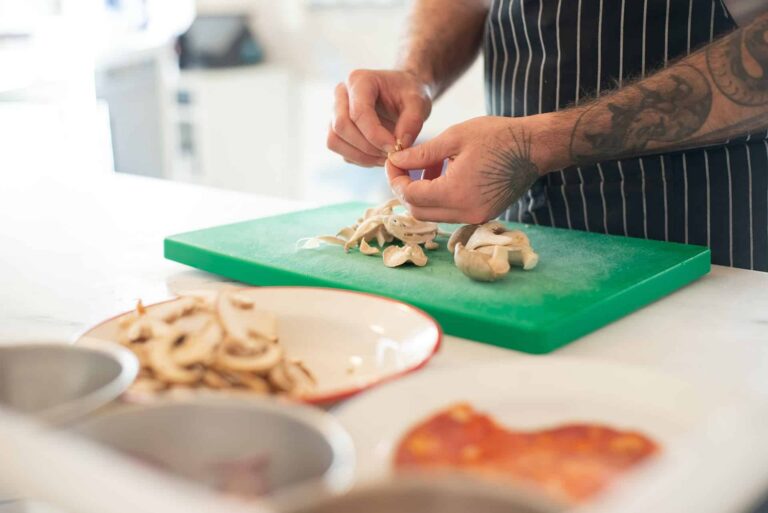
Eleven Medicinal Musrooms and their Healing Properties

A colleague of mine asked about how I use mushroom with Lyme disease patients. Here are the top eleven mushrooms I use and their healing properties:

  1. Agaricus (liver support, anti-cancer),
  2. Agarikon (anti bacterial, antiviral),
  3. Chaga (anti-cancer, immune support, lower inflammation),
  4. cordyceps (fatigue, anti-cancer, immune support, libido, anti-inflammatory),
  5. Lions mane (neuroprotective, anxiety, depression, MS-remyelination, anti-inflammatory),
  6. Maitake (fatigue, low vitamin D, anti-cancer, immune modulation),
  7. Poria (drain dampness, tonify heart/spleen, tonify yin, neuroprotection, anxiety, restlessness, insomnia),
  8. Reishi (tonify the spirit / ling, depression, anxiety, anti-cancer, fatigue, immune support, anti-aging),
  9. Reishi spores (same as reishi, retroviruses),
  10. Shiitake (anti-cancer, anti-inflammatory, low vitamin D, anti-bacterial, anti-fungal)
  11. Turkey tail (anti-cancer, anti-inflammatory, healing leaky gut, anti-bacterial)

These mushrooms are given in a microparticle liposomes to Lyme disease and chronic infection patients to get their healing deeper into the brain, liver, cells, and tumors.

Interested in becoming a patient and getting microparticle mushrooms for your healing? Click here to read more about our treatments and remedies and to apply to become a patient:  http://goodbyelyme.com/treatment

Happy shrooms!

Greg

[CLS4] Want a second chance to binge watch all the Lyme Summit talks you missed?

Hey it’s Greg here,
 
Did you miss any of the talks on the Chronic Lyme Summit?

 
(* The Chronic Lyme Summit 4 talk rebroadcast is only available for free
now through August 9th.)

You can see talks like:
  • Biological Weapons and Lyme Disease, Kris Newby
  • Updated Treatments for Lyme and Tick-Borne Disorders, Dr. Richard Horowitz
  • New Emerging Treatments for Neuro-Lyme, Greg Lee
  • Vagus Nerve Infections, Dr. Eva Detko
  • And thirty more…
 
 
Happy viewing!
 
Greg 🙂
 
P.S. We have received several inquiries about accepting new patients. Here’s where to read more about our treatments and a form to apply to be a patient: GoodbyeLyme.com/treatment


Peptides, Hydrogen Inhalation, Microparticle Essential Oils for Neuro-Lyme Talk On the Chronic Lyme Summit 4 Today

Hey it’s Greg,

I’m talking about how peptides, hydrogen inhalation, and
microparticle essential oils have been a game changer for
neuro-Lyme patients today on the Chronic Lyme Summit:

 
(* The Chronic Lyme Summit 4 talks are available for free for a limited time only.)

Here is what viewers have said about my talk, “New Emerging Treatments for Neuro-Lyme”
 
“I watched your interview from the  Chronic Lyme Disease Summit and was
very intrigued by the information and alternative treatments mentioned. I
would appreciate an opportunity to have an appointment with you.”
 
“I heard your talk on Chronic Lyme Disease Summit today. It was incredibly informative—thank you for speaking! I’ve been diagnosed with Lyme and been receiving treatment with little impact. I’m very interested in working with you. Are you accepting new patients?”
 
 
Happy watching!
 
Greg 🙂
 
P.S. We are accepting new patients. Here’s where to read more about our treatments and a form to apply to be a patient: GoodbyeLyme.com/treatment

How These Herbs are Helping Coronavirus COVID19 Patients in China to Recover Quicker

(This update on the Coronavirus has been modified from Dr. Richard Horowitz’s office original message: https://mailchi.mp/29092556b4ef/coronavirus-information?e=62a25e8983)

Many of you have been contacting the office about Coronavirus disease 2019 (COVID-19), a respiratory illness that can spread from person to person. Symptoms can include fever, cough, and shortness of breath (due to pneumonia). There appear however to be certain differences between the presentation of COVID-19 and other viral infections that circulate at this time of year. One of the healthcare workers with a master’s degree who worked in Shenzhen Hospital (Guangdong Province, China) highlighted certain differences. I have included these differences along with reports from health care agencies:

Symptoms:

  • A runny nose and sputum, is more indicative of the common cold. Coronavirus pneumonia is a dry cough generally with no runny nose. A runny nose shows up in only 4 percent of individuals, and that may be people who also happen to have a cold or a flu.
  • The nasal congestion is particularly severe, and not like the normal kind experienced with viruses. If you experience this, it’s important to get tested and seek medical attention. Testing kits are now being made available (the FDA [U.S. Food and Drug Administration] cleared the way to let people use in-house testing kits).
  • The virus will first infect the throat, causing a sore throat lasting 3-4 days.
  • It may then enter the trachea and lungs, causing pneumonia. This may take another 5-6 days and is associated with high fever and difficulty in breathing. Any symptoms such as the ones experienced above should alert you to contact your health care provider for further instructions.
  • Overall, 90% of people get a fever, 80 % get a dry cough and 30 % get shortness of breath and malaise/fatigue.80 percent of these cases however are “mild” including pneumonia, not requiring hospitalization.
  • Of utmost importance is to keep calm. Highest risk individuals are the elderly (70-75 or older) with underlying medical problems (cardiac, pulmonary issues like emphysema). As per Dr Marguerite Neill an infectious disease expert at Brown University: “The mantra is, ‘Keep calm and carry on’”. The illness seems to be very mild in children, younger people, and young adults. Data from the largest study conducted in China, suggests that of coronavirus patients receiving medical attention, 80 percent had mild infections, about 15 percent had severe illnesses, and 5 percent were critical. From the China CDC  we understand that the virus is most dangerous to those who are immunocompromised, elderly, and those who have cardiovascular disease, diabetes, hepatitis B, chronic obstructive pulmonary disease, chronic kidney disease, and cancer. China CDC’s analysis of 44,672 patients found that the fatality rate in patients who reported no other health conditions was 0.9%. In addition, 81% of all diagnosed cases were considered mild or asymptomatic.

Protection:

  • There are differences in reports of how far the virus can travel by airborne route. Reports vary between 6 feet and 10 feet before it drops to the ground and is no longer airborne, and if it drops on a metal surface it will live for at least 12 hours – so if you come into contact with any metal surface – wash your hands as soon as you can with a bacterial soap. If the virus comes into contact with fabric, it can survive for 6-12 hours. Normal laundry detergent will kill it.
  • Wash your hands frequently with soap and water for at least 20 seconds, as the virus can only live on your hands for 5-10 minutes, but a lot can happen during that time – you can rub your eyes, pick your nose unwittingly and so on. Use an alcohol-based hand sanitizer that contains at least 60% alcohol if soap and water are not available.
  • You can gargle as a prevention. A simple solution of salt in warm water will suffice. Also drink plenty of warm water (not liquids with ice).
  • If you’re sick and coughing, and you have to be out (for example, going to a doctor’s office) that’s when you should wear a mask. A mask at home would be recommended if you are sick and quarantining yourself in your bedroom, so others in the household do not get sick.  
  • If you will be on an airplane, take some sanitizing wipes with you to wipe the tray table and the hand rests and the areas that you might come into contact with on the plane. In general, extra cleanliness is recommended (bathroom surfaces, computer keyboards, etc.). If you are using a hand sanitizer (vs washing your hands for 20 seconds) apply the gel to the palm of one hand and then rub your hands together for 20 seconds. The CDC has warned older and at-risk travelers to avoid Japan, Italy and Iran. The agency also has advised against all nonessential travel to South Korea and China.
  • When meeting people, consider the Asian custom of putting your hands together and bowing as a sign of respect, instead of shaking hands.

COVID19 is spreading from the East to West Coast. I am forwarding to you basic information, links to the CDC and Maryland Department of Health as well as some nutritional support that we have been recommending from our medical office:

Prevention 

The best way to prevent infection is to avoid being exposed to the virus that causes COVID-19. There are simple everyday preventive actions to help prevent the spread of respiratory viruses, including: 

  • Avoid close contact with people who are sick.
  • Avoid touching your eyes, nose, and mouth with unwashed hands.
  • Wash your hands often with soap and water for at least 20 seconds. Use an alcohol-based hand sanitizer that contains at least 60% alcohol if soap and water are not available.

If you are sick, to keep from spreading respiratory illness to others, you should:

Stay home except to get medical care. Phone consults can be arranged with our office.

  • Call ahead before visiting your doctor.
  • Wear a facemask.
  • Cover your coughs and sneezes in the crook of your arm or in a tissue, not in your hands.
  • Avoid sharing personal household items.
  • Clean and disinfect frequently touched objects and surfaces.
  • Wash your hands often with soap and water for at least 20 seconds. Use an alcohol-based hand sanitizer that contains at least 60% alcohol if soap and water are not available.

Further Information 

The Centers for Disease Control provides updates on the virus and safety information for the public. You can find a fact sheet with what you need to know here: https://www.cdc.gov/coronavirus/2019-ncov/index.html

The Maryland Department of Health provides updates on the disease’s spread within our state, and other useful information: https://phpa.health.maryland.gov/Pages/Novel-coronavirus.aspx

The State Department provides a list of travel advisories for those who are planning to fly outside of the United States: https://travel.state.gov/content/travel/en/traveladvisories/ea/novel-coronavirus-hubei-province–china.html

Experts have been working hard to understand this new strain of coronavirus. Because new information is coming out every day, please visit the sites above to stay up to date. The safety of you and your loved ones is of the utmost importance.

General Recommendations from the Lyme Research & Healing Center:

Nutritional support: Apart from the above recommendations, there are nutritional supplements that support immune function and have been shown in the scientific literature to be of benefit in helping the immune system to fight infection. Keep in mind, none of these have been tested against COVID-19 but may be of benefit as they have antiviral and immune supporting properties.

1. Jade Windscreen Herbal Formula (Chinese name Yu Ping Feng Wan): astragalus, atractylodes, and siler root formula which can help to support the immune system to protect against viral infections. Four pills a day, up to three times a day is recommended.

2. Zinc: between 40-50 mg/day. Zinc has been shown to have beneficial effects in fighting infections. Zinc lozenges can also support immune function and have also been proven to be effective in blocking coronavirus and other viruses from multiplying in the throat and nasopharynx. These can be taken several times a day once you begin to feel symptoms.

3. Vitamin C: up to 1 gram three times a day. (There are currently 3 clinical trials in China using IV vitamin C to treat COVID-19 and our colleagues in the integrative medical community, Dr Tom Levy MD and Dr Jeanne Drisko MD, are involved in the protocol.

4. If upper respiratory symptoms appear, Minor Bupleurum Formula (bupleurum, scutellaria, pinellia, ginseng, licorice, red dates, ginger) which is being used in Chinese hospitals for COVID19 patients (see below), other Chinese herbs formula) can be added at two tablets up to three times a day. This herbal supplement also supports healthy immune and respiratory function and is ONLY for short term use. Four capsules three times per day would be for a larger individual and for more aggressive treatment at the acute onset of illness. Since this formula works by increasing the immune response, Lyme disease patients with active disease could have a Herxheimer reaction and should therefore adjust the dose accordingly.

5. If typical flu symptoms appear (runny nose, sneezing, cough), elderberry extract has also been shown to help fight the flu virus. We are recommending elderberry lozenges and liquid extracts. This again, is for short term use at the earliest sign of the flu (aches and pains, sneezing, runny nose, fatigue..) and can be used with classical antivirals like Tamiflu.

6. Silver: silver has been shown to have a broad range of antibacterial and anti-viral effects. We are suggesting products such as ASAP HCP Health Max 30 (nano-silver), as patients taking it have measurable levels of silver while using this product. Dosage would be up to a teaspoon 7x per day if viral symptoms appear. This should not be used long term due to potential side effects (argyrism).

7. General recommendations: get enough sleep, regular exercise, eat a healthy diet with vitamins and minerals (vitamin A also has positive effects), use spices like garlic and ginger with extra citrus fruits and red peppers for vitamin C. Fermented foods can be helpful for the GI tract (not if you have histamine sensitivity and mast cell disorder) and make sure you are getting adequate vitamin D intake (minimum 2000IU/day, up to 10,000 U/day).

8. Propolis: Dr. Ramzi Asfour, an infectious disease physician, likes Beekeeper’s Naturals propolis spray. Propolis increases cellular immune response and acts as an antiviral.

9. Report from a Traditional Chinese Medicine (TCM) doctor in China on what is the common diagnosis and what is working to reduce chronic pneumonia symptoms with COVID19 patients from this article translated by Dr. John Chen: https://www.elotus.org/article/medical-records-young-and-brave-female-traditional-chinese-medicine-tcm-doctor-fighting-covi
“most patients had the diagnosis of Cold-Damp in the Lungs, they primarily received the oral antiviral medications, Oseltamivir and Abidol. We observed that some patients required IV fluids. The primary Chinese medicine formulas used with these medications were:

· Xiao Chai Hu Tang (Minor Bupleurum Decoction)

· Chai Hu Gui Zhi Tang (Bupleurum and Cinnamon Twig Decoction)

· Ma Huang Fu Zi Xi Xin Tang* (Ephedra, Asarum, and Prepared Aconite Decoction) (*note that this formula contains ephedra (Ma Huang) which is not available in the US)

· Gua Lou Xie Bai Ban Xia Tang (Trichosanthes Fruit, Chinese Chive, and Pinellia Decoction)”

We have these formulas, except for Ma Huang Fu Zi Xi Xin Tang, in our clinic available to our patients. The herbs in formulas support patients by draining dampness and cold out of the lungs and enhancing immune response.

Other drugs being tested, which have not yet been proven to work for COVID-19:

There is no approved antiviral drug for the coronavirus, though several are being tested. The CDC has a site however discussing antiviral medications for the flu: https://www.cdc.gov/flu/treatment/whatyoushould.htm

10: HIV medication: Coronavirus patient in Spain reportedly recovers after being treated with HIV drug. (Yaron Steinbuch, March 5, 2020 | 11:05am | Updated)

https://nypost.com/2020/03/05/coronavirus-patient-in-spain-reportedly-recovers-after-being-treated-with-hiv-drug/?utm_campaign=applenews&utm_medium=inline&utm_source=applenews

11. Alinia : Nitazoxanide, is a new drug candidate for the treatment of Middle East respiratory syndrome coronavirus. Nitazoxanide is a broad-spectrum antiviral agent undergoing clinical development for treatment of influenza and other viral respiratory infections. Nitazoxanide exhibits in vitro activity against Middle East respiratory syndrome coronavirus (MERS-CoV) and other coronaviruses, Having been used extensively in clinical trials and in post-marketing experience, nitazoxanide is an attractive drug candidate for treatment of Middle East respiratory syndrome. Future research should include in vitro mechanism studies, animal models of MERS-CoV infection, clinical trials, including dose-ranging trials, and evaluation of combination therapy with other potential MERS-CoV antivirals.

Journal of Infection and Public Health

Volume 9, Issue 3, May–June 2016, Pages 227-230

https://www.sciencedirect.com/science/article/pii/S1876034116300181


Office Update:

To be clear, if you are suffering from any flu-like symptoms (fever, cough, chills, fever, body aches, etc.) we ask that you please do not come into the office for your in-office appointment.  Please contact the office if you are not feeling well with any of these symptoms as we would be happy to convert your appointment to a phone consultation.

I hope this has been helpful as an update for COVID-19. I will share any new important information as it becomes available. 

Be healthy,

Greg

Get Early Access to the Rebroadcast of the Best of Chronic Lyme Summit Now!

The Rebroadcast of the Best of all the Chronic Lyme Summit Interviews are going to available for free from April 27-28th.
You can get early access today with this link the organizers have just shared with me:

Click here to get access now to all the top Lyme Experts
on the Best of the Chronic Lyme Summit 

The Rebroadcast of the Best of the Chronic Lyme Summit will be be available until April 27th.

Click here to binge watch now all the top Lyme experts
on the Best of Chronic Lyme Summit

Happy watching,

Greg

Hear Drs. Cowden, Horowitz, and Me! on the Chronic Lyme Summit today April 17th

Hey it’s Greg,

I learned about some new supplements that Dr. Horowitz is using with his MSIDS / Lyme patients in his interview.

Click here to sign up to hear new remedies from Drs. Cowden, Horowitz, and Me today on the Best of the Chronic Lyme Summit 

The Best of the Chronic Lyme Summit will be broadcast online for Free  for only four more days. So click on the link below to get the goodies from multiple Lyme disease experts (including me):

Click here to learn from top Lyme experts
on the Best of Chronic Lyme Summit

Peace,

Greg 🙂

P.S. Click here to download the free handouts from my interview that go into more details about treatments for chronic Lyme pain and mast cell

Best of Chronic Lyme Summit Expert Interviews Available from April 15th-21st for Free

The best of all the Chronic Lyme Summit Interviews are going to available for free from April 15-21st.
You can hear the wisdom of over thirty Lyme experts share their best remedies and treatments.

Click here to sign up to hear about the top Lyme remedies and
treatments on the Best of the Chronic Lyme Summit 

The Best of the Chronic Lyme Summit will be broadcast online for Free starting on Monday April 15th for only six days. So click on the link below to get the goodies from multiple Lyme disease experts (including me):

Click here to learn from top Lyme experts
on the Best of Chronic Lyme Summit

Peace, Greg

Can’t Warm Up? Four Essential Oils for Heating Up the Immune System to Overcome Lyme and Co-infection Pains

For people diagnosed with Lyme and co-infections that are always cold and have worse pain in winter months
by Greg Lee

One bitterly cold morning, I turned on the shower and nothing happened. No water, nada, not a drop. I thought, “Oh crap, a pipe must have frozen.” If the pipe doesn’t thaw, ice could make the pipe burst and that would be a huge mess. I opened up the access panel and put a heater on the pipes to help them thaw out.

How is a frozen water pipe similar to bone chilling coldness in people with Lyme disease and co-infections?

Similar to a frozen water pipe, Lyme and tick co-infections can freeze up your immune system
One way your immune system fights off infections is by heating up and creating a fever. One theory why Lyme disease and co-infections can persist is that they create toxins which stop the body from heating up and creating fevers. These toxins affect the hypothalamus which is the part of your brain which regulates your temperature. Unfortunately, toxins in the blood can be absorbed directly into the hypothalamus which prevents it from heating up the body1. As a result, some Lyme and co-infection patients that are always cold can have body temperatures as low as 95 degrees Farenheit. These toxins disrupt how these people can make fevers to kill off infections. A lower body temperature can also make symptoms worse especially in colder months.

Lyme and co-infection patients often report increased pain, fatigue, and insomnia in the winter
In Chinese medicine, winter winds, rain / dampness, and cold are able to “invade” into the body and increase symptoms like migratory pain, fatigue, and internal coldness2. Many of my Lyme and co-infection patients report greater pain, fatigue, and depression especially in the winter months. Their increased symptoms may disrupt sleep, increase mental fog, and decrease the motivation and energy to make and eat a healthy diet. These patients report that they take lots of hot baths, drink hot liquids, and bundle up with multiple layers to try and reduce their symptoms in the winter.

What else may help people with Lyme and co-infections to dispel aches, fatigue, and depression of winter?

Fortunately, there are four essential oils that warm the body from the inside out and reduce painful inflammatory compounds
According to Chinese medicine, there are several essential oils that can help to warm up the body, lower pain, reduce fatigue, and inflammation. Several of these oils also increase the levels of glutathione and other antioxidant enzymes in animal studies. Glutathione inhibited the development of complex regional pain symptoms in a rat study3. These oils have been classified by the Food and Drug Administration as “Generally Recognized as Safe” (GRAS) and some of these essential oils have been used safely for years in our food supply4. Formulating these essential oils into microparticles called liposomes may help them penetrate deeper inside cells and into the brain5 to warm up and relieve cold, painful areas.

Warming & Pain Reducing Essential Oil #1: Fennel
Fennel essential oil helps to warm the body, replenish Q or energy, and helps to moisten dryness according to Chinese medicine6. In infant studies, fennel oil was helpful in reducing colic7. In rat studies, fennel oil reduced painful uterine contractions8 and colitis9. In another rat study, this oil protected the liver and kidneys against toxic injury10. Fennel oil also protected the liver against toxic injury in a mouse study11.

In another mouse study, fennel essential oil was effective at increasing antioxidant enzymes glutathione S-transferase (GST), glutathione reductase (GR), glutathione peroxidase (GPx), superoxide dismutase (SOD) and catalase (CAT) in the liver12. Fennel oil reduced anxiety in another mouse study13. This oil is classified as Generally Recognized as Safe (GRAS) by the FDA14.

Fennel oil is contraindicated in pregnancy, breastfeeding, endometriosis, estrogen-dependent cancers, children under five years of age. This oil is cautioned in patients taking diabetes medications and anticoagulant medications. It is also cautioned with major surgery, peptic ulcer, hemophilia, other bleeding disorders15. In addition to fennel, turmeric essential oil may also help to increase body temperature.

Warming & Pain Reducing Essential Oil #2: Turmeric
Turmeric essential oil has warming properties according to Chinese medicine16. In animal experiments, turmeric essential oil reduced painful rheumatoid arthritic joint symptoms17. In a mouse experiment, this oil increased superoxide dismutase, glutathione, and glutathione reductase enzyme levels in blood and glutathione-S-transferase and superoxide dismutase enzymes in liver18. This oil has demonstrated multiple healing properties including: reducing brain inflammation, protecting the liver against toxins, reducing the risk of stroke, protecting against convulsions, and reducing anxiety in several animal and human studies19.  This oil is classified as Generally Recognized as Safe (GRAS) by the FDA20. Turmeric oil is cautioned with diabetes medications21. Dill essential oil may also help provide warm greater internal heat according to Chinese medicine.

Warming & Pain Reducing Essential Oil #3: Dill seed
Dill seed essential oil has warming properties according to Chinese medicine22. In a rat study, dill seed oil reduced toxic swelling and discomfort23. In another rat study, dill oil exhibited cardio-protective properties24. This oil is classified as Generally Recognized as Safe (GRAS) by the FDA25. Dill oil is contraindicated in pregnancy26. Dill essential oil is cautioned in patients taking diabetes medications27.

Rosemary essential oil may also increase warmth and decrease pain in low body temperature Lyme and co-infection patients.

Warming & Pain Reducing Essential Oil #4: Rosemary
Rosemary essential oil has warming properties according to Chinese medicine28. Rosemary oil has been used to relieve renal colic pain and reduced the pain reaction in a mouse study29. In a human study, rosemary essential oil combined with other oils reduced pain and depression in arthritis patients30. In another animal study, this oil increased local blood circulation and alleviated pain31. In a rat study, rosemary oil exhibited liver protecting properties and increased levels of antioxidant enzymes catalase, peroxidase, glutathione peroxidase and glutathione reductase32. This oil is classified as Generally Recognized as Safe (GRAS) by the FDA33. Rosemary Camphor chemotype or α-Pinene chemotype are the best for internal use. Do not apply rosemary 1,8-cineole chemotype to or near the face of infants or children34. These essential oils alone or in combination may help to reduce symptoms of coldness and pain caused by Lyme disease and co-infection toxins that are lowering body temperature.

Essential oils may help to increase internal warmth and the immune system’s ability to create fevers to kill Lyme and co-infections
Similar to heating up a frozen pipe to get a hot water flowing again, essential oils that increase internal warmth and lower pain may help the immune system to heat up and kill off Lyme and co-infections. Formulating these essential oils into microparticle liposomes may enhance their ability to penetrate into, warm up, and reduce pain in cells, the brain, and other organs where infections are hiding. Since these essential oils have cautions and contraindications on their use, work with a Lyme literate essential oil practitioner to develop a proper, safe, and effective strategy for your condition.

– Greg

>> Next step: Click here to learn more about essential oils for Lyme and co-infections in our private HEAL (Health & Energy After Lyme) Facebook Group!


P.S. Do you have experiences where treatment or remedies helped you warm up and relieve pains from Lyme disease or co-infections? Tell us about it.


1 Klinghardt, D. Klinghardt Lyme Solutions 2017. Bastyr University. May 5-7, 2017

2 Dashtdar, Mehrab, Mohammad Reza Dashtdar, Babak Dashtdar, Karima Kardi, and Mohammad khabaz Shirazi. “The Concept of Wind in Traditional Chinese Medicine.” Journal of Pharmacopuncture 19, no. 4 (December 2016): 293–302. https://doi.org/10.3831/KPI.2016.19.030.

3 Yeo, Jinseok, Hoon Jung, and Hyerim Lee. “Effects of Glutathione on Mechanical Allodynia and Central Sensitization in Chronic Postischemic Pain Rats.” Pain Research & Management 2017 (2017). https://doi.org/10.1155/2017/7394626.

4 Hyldgaard, Morten, Tina Mygind, and Rikke Louise Meyer. “Essential Oils in Food Preservation: Mode of Action, Synergies, and Interactions with Food Matrix Components.” Frontiers in Microbiology 3 (January 25, 2012). https://doi.org/10.3389/fmicb.2012.00012.

5 Sherry, Mirna, Catherine Charcosset, Hatem Fessi, and Hélène Greige-Gerges. “Essential Oils Encapsulated in Liposomes: A Review.” Journal of Liposome Research 23, no. 4 (December 2013): 268–75. https://doi.org/10.3109/08982104.2013.819888.

6 Aldrich, Esther, and Randall Bornemann.Fang Xiang Liao Fa: Essential Oil Analogues of TCM Herbal Formulas. CreateSpace Independent Publishing Platform, 2013. p. 42.

7 Harb, Tracy, Misa Matsuyama, Michael David, and Rebecca J. Hill. “Infant Colic-What Works: A Systematic Review of Interventions for Breast-Fed Infants.” Journal of Pediatric Gastroenterology and Nutrition 62, no. 5 (2016): 668–86. https://doi.org/10.1097/MPG.0000000000001075.

8 Ostad, S. N., M. Soodi, M. Shariffzadeh, N. Khorshidi, and H. Marzban. “The Effect of Fennel Essential Oil on Uterine Contraction as a Model for Dysmenorrhea, Pharmacology and Toxicology Study.” Journal of Ethnopharmacology 76, no. 3 (August 2001): 299–304.

9 Rezayat, Seyed Mahdi, Ahmad-Reza Dehpour, Saeed Mohammadi Motamed, Maryam Yazdanparast, Mohsen Chamanara, Mousa Sahebgharani, and Amir Rashidian. “Foeniculum Vulgare Essential Oil Ameliorates Acetic Acid-Induced Colitis in Rats through the Inhibition of NF-KB Pathway.” Inflammopharmacology 26, no. 3 (June 2018): 851–59. https://doi.org/10.1007/s10787-017-0409-1.

10 Al-Amoudi, Wael M. “Protective Effects of Fennel Oil Extract against Sodium Valproate-Induced Hepatorenal Damage in Albino Rats.” Saudi Journal of Biological Sciences 24, no. 4 (May 2017): 915–24. https://doi.org/10.1016/j.sjbs.2016.10.021.

11 Sheweita, Salah A., Lobna S. El-Hosseiny, and Munther A. Nashashibi. “Protective Effects of Essential Oils as Natural Antioxidants against Hepatotoxicity Induced by Cyclophosphamide in Mice.” PloS One 11, no. 11 (2016): e0165667. https://doi.org/10.1371/journal.pone.0165667.

12 Sheweita, Salah A., Lobna S. El-Hosseiny, and Munther A. Nashashibi. “Protective Effects of Essential Oils as Natural Antioxidants against Hepatotoxicity Induced by Cyclophosphamide in Mice.” PloS One 11, no. 11 (2016): e0165667. https://doi.org/10.1371/journal.pone.0165667.

13 Mesfin, Miraf, Kaleab Asres, and Workineh Shibeshi. “Evaluation of Anxiolytic Activity of the Essential Oil of the Aerial Part of Foeniculum Vulgare Miller in Mice.” BMC Complementary and Alternative Medicine 14 (August 23, 2014): 310. https://doi.org/10.1186/1472-6882-14-310.

14 “CFR – Code of Federal Regulations Title 21.” Accessed October 28, 2018. https://www.accessdata.fda.gov/scripts/cdrh/cfdocs/cfcfr/CFRSearch.cfm?fr=182.20.

15 Tisserand, Robert, and Rodney Young. Essential Oil Safety: A Guide for Health Care Professionals. Elsevier Health Sciences, 2013. p. 981.

16 Aldrich, Esther, and Randall Bornemann.Fang Xiang Liao Fa: Essential Oil Analogues of TCM Herbal Formulas. CreateSpace Independent Publishing Platform, 2013. p. 42.

17 Dosoky, Noura S., and William N. Setzer. “Chemical Composition and Biological Activities of Essential Oils of Curcuma Species.” Nutrients 10, no. 9 (September 1, 2018). https://doi.org/10.3390/nu10091196.

18 Liju, Vijayastelter B., Kottarapat Jeena, and Ramadasan Kuttan. “An Evaluation of Antioxidant, Anti-Inflammatory, and Antinociceptive Activities of Essential Oil from Curcuma Longa. L.” Indian Journal of Pharmacology 43, no. 5 (September 2011): 526–31. https://doi.org/10.4103/0253-7613.84961.

19 Dosoky, Noura S., and William N. Setzer. “Chemical Composition and Biological Activities of Essential Oils of Curcuma Species.” Nutrients 10, no. 9 (September 1, 2018). https://doi.org/10.3390/nu10091196.

20 “CFR – Code of Federal Regulations Title 21.” Accessed October 28, 2018. https://www.accessdata.fda.gov/scripts/cdrh/cfdocs/cfcfr/CFRSearch.cfm?fr=182.20.

21 Tisserand, Robert, and Rodney Young. Essential Oil Safety: A Guide for Health Care Professionals. Elsevier Health Sciences, 2013. p. 1547.

22 Aldrich, Esther, and Randall Bornemann.Fang Xiang Liao Fa: Essential Oil Analogues of TCM Herbal Formulas. CreateSpace Independent Publishing Platform, 2013. P 42.

23 Naseri, Mohsen, Faraz Mojab, Mahmood Khodadoost, Mohammad Kamalinejad, Ali Davati, Rasol Choopani, Abbas Hasheminejad, Zahra Bararpoor, Shamsa Shariatpanahi, and Majid Emtiazy. “The Study of Anti-Inflammatory Activity of Oil-Based Dill (Anethum Graveolens L.) Extract Used Topically in Formalin-Induced Inflammation Male Rat Paw.” Iranian Journal of Pharmaceutical Research: IJPR 11, no. 4 (2012): 1169–74.

24 Hajhashemi, Valiollah, and Naser Abbasi. “Hypolipidemic Activity of Anethum Graveolens in Rats.” Phytotherapy Research: PTR 22, no. 3 (March 2008): 372–75. https://doi.org/10.1002/ptr.2329.

25 “CFR – Code of Federal Regulations Title 21.” Accessed October 28, 2018. https://www.accessdata.fda.gov/scripts/cdrh/cfdocs/cfcfr/CFRSearch.cfm?fr=182.20.

26 Aldrich, Esther, and Randall Bornemann.Fang Xiang Liao Fa: Essential Oil Analogues of TCM Herbal Formulas. CreateSpace Independent Publishing Platform, 2013. p. 42.

27 Tisserand, Robert, and Rodney Young. Essential Oil Safety: A Guide for Health Care Professionals. Elsevier Health Sciences, 2013. p. 954.

28 Aldrich, Esther, and Randall Bornemann.Fang Xiang Liao Fa: Essential Oil Analogues of TCM Herbal Formulas. CreateSpace Independent Publishing Platform, 2013. p. 47.

29 Raskovic, A., I. Milanovic, N. Pavlovic, B. Milijasevic, M. Ubavic, and M. Mikov. “Analgesic Effects of Rosemary Essential Oil and Its Interactions with Codeine and Paracetamol in Mice.” European Review for Medical and Pharmacological Sciences 19, no. 1 (January 2015): 165–72.

30 Kim, Myung-Ja, Eun-Sook Nam, and Seun-In Paik. “[The effects of aromatherapy on pain, depression, and life satisfaction of arthritis patients].” Taehan Kanho Hakhoe Chi 35, no. 1 (February 2005): 186–94.

31 Sagorchev, P., J. Lukanov, and A. M. Beer. “Investigations into the Specific Effects of Rosemary Oil at the Receptor Level.” Phytomedicine: International Journal of Phytotherapy and Phytopharmacology 17, no. 8–9 (July 2010): 693–97. https://doi.org/10.1016/j.phymed.2009.09.012.

32 Rašković, Aleksandar, Isidora Milanović, Nebojša Pavlović, Tatjana Ćebović, Saša Vukmirović, and Momir Mikov. “Antioxidant Activity of Rosemary (Rosmarinus Officinalis L.) Essential Oil and Its Hepatoprotective Potential.” BMC Complementary and Alternative Medicine 14 (July 7, 2014): 225. https://doi.org/10.1186/1472-6882-14-225.

33 “CFR – Code of Federal Regulations Title 21.” Accessed October 28, 2018. https://www.accessdata.fda.gov/scripts/cdrh/cfdocs/cfcfr/CFRSearch.cfm?fr=182.20.

34 Tisserand, Robert, and Rodney Young. Essential Oil Safety: A Guide for Health Care Professionals. Elsevier Health Sciences, 2013. p. 1396.

Image by Walter Baxter, CC BY-SA 2.0, https://commons.wikimedia.org/w/index.php?curid=14405422

Four Essential Oils for Stopping Bartonella from Taking Over Your Brain

For people with neurological Bartonella symptoms of swelling and anxiety
by Greg Lee

My nephew invited us to his wedding in Hawaii. As we were booking our trip, the Kilauea volcano started spewing lava into residential neighborhoods. People had no other choice and had to evacuate as their homes and cars were burned by the spreading lava.

How is flowing lava similar to neurological Bartonella infections in people with Lyme disease?

Just like a hot lava eruption, a Bartonella infection can slowly burn through your body
Bartonella is a rod shaped, gram-negative bacteria that can be transmitted to humans via insect bites1, animal scratches and bites2, organ transplant3, needle sticks4, and blood transfusion5. At least thirteen different species of Bartonella are known to infect humans6. Bartonella has been shown to infect endothelial cells, macrophages, red blood cells7, and the lymphatic system8. Bartonella can spread through the bloodstream via the lymphatic system9. Bartonella manipulates the production of vascular endothelial growth factor10 (VEGF) and Interleukin-811 (IL-8) to make it easier for it to spread via new blood vessels through the skin and the body. Unfortunately, Bartonella can also infect the nervous system.

Bartonella has been detected in the cerebral spinal fluid of patients12
Patients with a Bartonella infection may present with multiple neurological symptoms including: confusion, encephalitis13, vision loss, neuroretinitis, optic neuropathy14, subarachnoid hemorrhage, cerebral embolism15, fever, vomiting, ataxia16, slurred speech, weakness17, convulsions18, chronic inflammatory demyelinating polyneuropathy19, depression, anxiety, mood swings, severe headaches, muscle spasms, decreased peripheral vision, diminished tactile sensation, and hallucinations20. Multiple patients have both Bartonella and Lyme disease in their nervous system21. Inflammation may play a role in Bartonella’s ability to spread into the brain.

Inflammatory compounds may help Bartonella spread into the nervous system
Patients diagnosed with Bartonella have elevated levels of IL-822, Interleukin-1023 (IL-10), and vascular endothelial growth factor24 (VEGF). Elevated levels of IL-825 and VEGF26 have been correlated with blood brain barrier increased permeability and dysfunction. Il-10 may help to protect the blood brain barrier27. Similarly, inflammatory compounds Interleukin-6 (IL-6), Interleukin- (IL-8), chemokine ligand 2 (CCL2), and CXCL13 are implicated in the spread of Lyme disease in the nervous system28. Another factor in persistent neurological infections may be due to drug resistant Bartonella strains that have been discovered.

Bartonella drug resistant strains have been discovered
Highly antibiotic resistant mutants of Bartonella bacilliformis have been found in a lab study29. Another study has found drug resistant forms of Bartonella henselae30.

Can essential oils help to reduce recurring neurological symptoms by preventing how Bartonella may spread into the nervous system?

Fortunately, there are four essential oils that lower the inflammatory compounds that Bartonella uses to spread through the body
In multiple studies, essential oils were effective at lowering inflammatory compounds and symptoms like anxiety that may be elevated in neurological Bartonella infections. Formulating these oils into microparticles called liposomes may help deliver these remedies deeper inside the brain. Many of these essential oils have been used safely for years in our food supply31. Formulating these essential oils into microparticles called liposomes may help them penetrate deeper inside of blood cells, endothelial cells and the nervous system where Bartonella likes to hide32.

Anti-Neurological Bartonella Essential Oil #1: Peppermint
In a mouse wound study, peppermint essential oil was effective at lowering VEGF and increasing IL-1033. Peppermint oil has had positive effects in reducing anxiety in human studies34. Do not apply peppermint oil undiluted to the feet of children under 12 years old, avoid large doses, it may cause heartburn, perianal burning, blurred vision, nausea and vomiting when taken internally. Peppermint essential oil use is contraindicated in children under 30 months old, and people should avoid the intake of peppermint oil with gallbladder disease, severe liver damage, gallstones, chronic heartburn35, and cases of cardiac fibrillation and in patients with a G6PD (Glucose-6-Phosphate Dehydrogenase) deficiency36. This oil is classified as Generally Recognized as Safe (GRAS) by the FDA37. Black cumin seed oil may also help to lower VEGF.

Anti-Neurological Bartonella Essential Oil #2: Black Cumin Seed
In lab studies, black cumin seed oil down regulated the expression of VEGF in endothelial cells38. In a rat study, this oil increased levels of tryptophan and reduced anxiety levels39.  Black cumin seed oil is contraindicated in pregnancy and breastfeeding. It’s use is cautioned with diabetes medications, on hypersensitive, diseased or damaged skin, and in children under 2 years of age40. Mastic gum essential oil also lowers VEGF in experiments.

Anti-Neurological Bartonella Essential Oil #3: Mastic Gum
In a mouse lab study, mastic essential oil inhibited the release of VEGF41. In an outpatient study on Crohn’s disease, mastic gum decreased IL-6 and C-reactive protein (CRP)42. Citron essential oils lowered VEGF in a lab study.

Anti-Neurological Bartonella Essential Oil #4: Citron
In a lab study, citron essential oil lowered VEGF in endothelial cells43. These essential oils alone or in combination may help to reduce neurological symptoms caused by a spreading Bartonella infection in the nervous system.

Essential oils may help to reduce the spread of inflammation caused by neurological Bartonella infection
Similar to lava that is stopped by the cold waters of the ocean, essential oils that lower Bartonella inflammatory compounds may limit it’s spread in the brain and reduce neurological symptoms. Formulating these essential oils into microparticle liposomes may enhance their ability to penetrate into cells and stop Bartonella from invading the nervous system. Since these essential oils have cautions and contraindications on their use, work with a Lyme literate essential oil practitioner to develop a proper, safe, and effective strategy for your condition.

– Greg

>> Next step: Click here to take our stealthy co-infection quiz to see which tick infections may be causing your symptoms.


P.S. Do you have experiences where treatment or remedies helped you reduce neurological symptoms from a Bartonella infection? Tell us about it.


1 Billeter, S. A., M. G. Levy, B. B. Chomel, and E. B. Breitschwerdt. “Vector Transmission of Bartonella Species with Emphasis on the Potential for Tick Transmission.” Medical and Veterinary Entomology 22, no. 1 (March 2008): 1–15. https://doi.org/10.1111/j.1365-2915.2008.00713.x.

2 “Transmission | Bartonella | CDC.” Accessed July 22, 2016. https://www.cdc.gov/bartonella/transmission/.

3 Scolfaro, C., F. Mignone, F. Gennari, A. Alfarano, A. Veltri, R. Romagnoli, and M. Salizzoni. “Possible Donor-Recipient Bartonellosis Transmission in a Pediatric Liver Transplant.” Transplant Infectious Disease: An Official Journal of the Transplantation Society 10, no. 6 (December 2008): 431–33. https://doi.org/10.1111/j.1399-3062.2008.00326.x.

4 Breitschwerdt, Edward Bealmear. “Bartonellosis: One Health Perspectives for an Emerging Infectious Disease.” ILAR Journal 55, no. 1 (2014): 46–58. https://doi.org/10.1093/ilar/ilu015.

5 Núñez, M. Antonieta, Karla Contreras, M. Soledad Depix, Enrique Geoffroy, Nicolás Villagra, Sandra Mellado, and Ana M. Salinas. “[Prevalence of Bartonella henselae in blood donors and risk of blood transmission in Chile].” Revista Chilena De Infectologia: Organo Oficial De La Sociedad Chilena De Infectologia 34, no. 6 (December 2017): 539–43. https://doi.org/10.4067/S0716-10182017000600539.

6 Lamas, C., A. Curi, Mn Bóia, and Ers Lemos. “Human Bartonellosis: Seroepidemiological and Clinical Features with an Emphasis on Data from Brazil – a Review.” Memorias Do Instituto Oswaldo Cruz 103, no. 3 (May 2008): 221–35.

7 Breitschwerdt, Edward Bealmear. “Bartonellosis: One Health Perspectives for an Emerging Infectious Disease.” ILAR Journal 55, no. 1 (2014): 46–58. https://doi.org/10.1093/ilar/ilu015.

8 Choi, Alexander H., Michael Bolaris, Diana K. Nguyen, Eduard H. Panosyan, Joseph L. Lasky, and Gloria B. Duane. “Clinicocytopathologic Correlation in an Atypical Presentation of Lymphadenopathy with Review of Literature.” American Journal of Clinical Pathology 143, no. 5 (May 2015): 749–54. https://doi.org/10.1309/AJCPPSKWRX0GD8HJ.

9 Hong, Jiehua, Yan Li, Xiuguo Hua, Yajie Bai, Chunyan Wang, Caixia Zhu, Yuming Du, Zhibiao Yang, and Congli Yuan. “Lymphatic Circulation Disseminates Bartonella Infection Into Bloodstream.” The Journal of Infectious Diseases 215, no. 2 (January 15, 2017): 303–11. https://doi.org/10.1093/infdis/jiw526.

10 Kempf, V. A., B. Volkmann, M. Schaller, C. A. Sander, K. Alitalo, T. Riess, and I. B. Autenrieth. “Evidence of a Leading Role for VEGF in Bartonella Henselae-Induced Endothelial Cell Proliferations.” Cellular Microbiology 3, no. 9 (September 2001): 623–32.

11 McCord, Amy M., Sandra I. Resto-Ruiz, and Burt E. Anderson. “Autocrine Role for Interleukin-8 in Bartonella Henselae-Induced Angiogenesis.” Infection and Immunity 74, no. 9 (September 2006): 5185–90. https://doi.org/10.1128/IAI.00622-06.

12 Samarkos, Michael, Vasiliki Antoniadou, Aristeidis G. Vaiopoulos, and Mina Psichogiou. “Encephalopathy in an Adult with Cat-Scratch Disease.” BMJ Case Reports 2018 (March 5, 2018). https://doi.org/10.1136/bcr-2017-223647.

13 Samarkos, Michael, Vasiliki Antoniadou, Aristeidis G. Vaiopoulos, and Mina Psichogiou. “Encephalopathy in an Adult with Cat-Scratch Disease.” BMJ Case Reports 2018 (March 5, 2018). https://doi.org/10.1136/bcr-2017-223647.

14 Habot-Wilner, Zohar, Omer Trivizki, Michaella Goldstein, Anat Kesler, Shiri Shulman, Josepha Horowitz, Radgonde Amer, et al. “Cat-Scratch Disease: Ocular Manifestations and Treatment Outcome.” Acta Ophthalmologica, March 5, 2018. https://doi.org/10.1111/aos.13684.

15 Yuan, Y., M. Shen, and X. G. Gao. “[Presented with subarachnoid hemorrhage and then blood culture negative infective endocarditis: a case report and literature review].” Beijing Da Xue Xue Bao. Yi Xue Ban = Journal of Peking University. Health Sciences 49, no. 6 (December 18, 2017): 1081–86.

16 Barnafi, Natalia, Natalia Conca, Cecilia von Borries, Isabel Fuentes, Francisca Montoya, and Elisa Alcalde. “[Central nervous system infection by Bartonella henselae associated with a choroid plexus papilloma].” Revista Chilena De Infectologia: Organo Oficial De La Sociedad Chilena De Infectologia 34, no. 4 (August 2017): 383–88. https://doi.org/10.4067/s0716-10182017000400383.

17 Teoh, Laurence S G, Hamish H Hart, May Ching Soh, Jonathan P Christiansen, Hasan Bhally, Martin S Philips, and Dominic S Rai-Chaudhuri. “Bartonella Henselae Aortic Valve Endocarditis Mimicking Systemic Vasculitis.” BMJ Case Reports 2010 (October 21, 2010). https://doi.org/10.1136/bcr.04.2010.2945.

18 Balakrishnan, Nandhakumar, Marna Ericson, Ricardo Maggi, and Edward B. Breitschwerdt. “Vasculitis, Cerebral Infarction and Persistent Bartonella Henselae Infection in a Child.” Parasites & Vectors 9, no. 1 (2016): 254. https://doi.org/10.1186/s13071-016-1547-9.

19 Mascarelli, Patricia E, Ricardo G Maggi, Sarah Hopkins, B Robert Mozayeni, Chelsea L Trull, Julie M Bradley, Barbara C Hegarty, and Edward B Breitschwerdt. “Bartonella Henselae Infection in a Family Experiencing Neurological and Neurocognitive Abnormalities after Woodlouse Hunter Spider Bites.” Parasites & Vectors 6 (April 15, 2013): 98. https://doi.org/10.1186/1756-3305-6-98.

20 Breitschwerdt, Edward B., Patricia E. Mascarelli, Lori A. Schweickert, Ricardo G. Maggi, Barbara C. Hegarty, Julie M. Bradley, and Christopher W. Woods. “Hallucinations, Sensory Neuropathy, and Peripheral Visual Deficits in a Young Woman Infected with Bartonella Koehlerae ▿.” Journal of Clinical Microbiology 49, no. 9 (September 2011): 3415–17. https://doi.org/10.1128/JCM.00833-11.

21 Podsiadły, Edyta, Tomasz Chmielewski, and Stanisława Tylewska-Wierzbanowska. “Bartonella Henselae and Borrelia Burgdorferi Infections of the Central Nervous System.” Annals of the New York Academy of Sciences 990 (June 2003): 404–6.

22 McCord, Amy M., Sandra I. Resto-Ruiz, and Burt E. Anderson. “Autocrine Role for Interleukin-8 in Bartonella Henselae-Induced Angiogenesis.” Infection and Immunity 74, no. 9 (September 2006): 5185–90. https://doi.org/10.1128/IAI.00622-06.

23 Huarcaya, Erick, Ciro Maguina, Ivan Best, Nelson Solorzano, and Lawrence Leeman. “Immunological Response in Cases of Complicated and Uncomplicated Bartonellosis during Pregnancy.” Revista Do Instituto De Medicina Tropical De Sao Paulo 49, no. 5 (October 2007): 335–37.

24 Kempf, V. A., B. Volkmann, M. Schaller, C. A. Sander, K. Alitalo, T. Riess, and I. B. Autenrieth. “Evidence of a Leading Role for VEGF in Bartonella Henselae-Induced Endothelial Cell Proliferations.” Cellular Microbiology 3, no. 9 (September 2001): 623–32.

25 Kossmann, T., P. F. Stahel, P. M. Lenzlinger, H. Redl, R. W. Dubs, O. Trentz, G. Schlag, and M. C. Morganti-Kossmann. “Interleukin-8 Released into the Cerebrospinal Fluid after Brain Injury Is Associated with Blood-Brain Barrier Dysfunction and Nerve Growth Factor Production.” Journal of Cerebral Blood Flow and Metabolism: Official Journal of the International Society of Cerebral Blood Flow and Metabolism 17, no. 3 (March 1997): 280–89. https://doi.org/10.1097/00004647-199703000-00005.

26 Zhang, Zheng Gang, Li Zhang, Quan Jiang, Ruilan Zhang, Kenneth Davies, Cecylia Powers, Nicholas van Bruggen, and Michael Chopp. “VEGF Enhances Angiogenesis and Promotes Blood-Brain Barrier Leakage in the Ischemic Brain.” Journal of Clinical Investigation 106, no. 7 (October 1, 2000): 829–38.

27 Lin, Ronggui, Fei Chen, Shi Wen, Tianhong Teng, Yu Pan, and Heguang Huang. “Interleukin-10 Attenuates Impairment of the Blood-Brain Barrier in a Severe Acute Pancreatitis Rat Model.” Journal of Inflammation (London, England) 15 (2018): 4. https://doi.org/10.1186/s12950-018-0180-0.

28 Ramesh, Geeta, Peter J. Didier, John D. England, Lenay Santana-Gould, Lara A. Doyle-Meyers, Dale S. Martin, Mary B. Jacobs, and Mario T. Philipp. “Inflammation in the Pathogenesis of Lyme Neuroborreliosis.” The American Journal of Pathology 185, no. 5 (May 2015): 1344–60. https://doi.org/10.1016/j.ajpath.2015.01.024.

29 Gomes, Cláudia, Sandra Martínez-Puchol, Lidia Ruiz-Roldán, Maria J. Pons, Juana del Valle Mendoza, and Joaquim Ruiz. “Development and Characterisation of Highly Antibiotic Resistant Bartonella Bacilliformis Mutants.” Scientific Reports 6 (September 26, 2016): 33584. https://doi.org/10.1038/srep33584.

30 Biswas, Silpak, Ricardo G. Maggi, Mark G. Papich, and Edward B. Breitschwerdt. “Molecular Mechanisms of Bartonella Henselae Resistance to Azithromycin, Pradofloxacin and Enrofloxacin.” Journal of Antimicrobial Chemotherapy 65, no. 3 (March 1, 2010): 581–82. https://doi.org/10.1093/jac/dkp459.

31 Hyldgaard, Morten, Tina Mygind, and Rikke Louise Meyer. “Essential Oils in Food Preservation: Mode of Action, Synergies, and Interactions with Food Matrix Components.” Frontiers in Microbiology 3 (January 25, 2012). https://doi.org/10.3389/fmicb.2012.00012.

32 Sherry, Mirna, Catherine Charcosset, Hatem Fessi, and Hélène Greige-Gerges. “Essential Oils Encapsulated in Liposomes: A Review.” Journal of Liposome Research 23, no. 4 (December 2013): 268–75. https://doi.org/10.3109/08982104.2013.819888.

33 Modarresi, Mohammad, Mohammad-Reza Farahpour, and Behzad Baradaran. “Topical Application of Mentha Piperita Essential Oil Accelerates Wound Healing in Infected Mice Model.” Inflammopharmacology, July 6, 2018. https://doi.org/10.1007/s10787-018-0510-0.

34 Stea, Susanna, Alina Beraudi, and Dalila De Pasquale. “Essential Oils for Complementary Treatment of Surgical Patients: State of the Art.” Evidence-Based Complementary and Alternative Medicine : ECAM 2014 (2014). https://doi.org/10.1155/2014/726341.

35 “Peppermint Safety Info | National Association for Holistic Aromatherapy.” Accessed April 1, 2017. https://naha.org/naha-blog/peppermint-safety-info/.

36 Tisserand, Robert, and Rodney Young. Essential Oil Safety: A Guide for Health Care Professionals. 2 edition. Edinburgh: Churchill Livingstone, 2013.

37 “CFR – Code of Federal Regulations Title 21.” Accessed October 28, 2018. https://www.accessdata.fda.gov/scripts/cdrh/cfdocs/cfcfr/CFRSearch.cfm?fr=182.20.

38 M. Baharetha, Hussein, Zeyad Nassar, Abdalrahim Aisha, Abd Kadir M.O, Zhari Ismail, and Amin Malik Shah Abdul Majid. “Essential Oil of Nigella Sativa Inhibits Angiogenesis via Down-Regulation of VEGF Expression,” 2015. https://doi.org/10.4172/2375-4273.C1.009.

39 Perveen, Tahira, Saida Haider, Sumera Kanwal, and Darakhshan Jabeen Haleem. “Repeated Administration of Nigella Sativa Decreases 5-HT Turnover and Produces Anxiolytic Effects in Rats.” Pakistan Journal of Pharmaceutical Sciences 22, no. 2 (April 2009): 139–44.

40 Tisserand, Robert, and Rodney Young. Essential Oil Safety: A Guide for Health Care Professionals. 2 edition. Edinburgh: Churchill Livingstone, 2013. p. 793.

41 Loutrari, Heleni, Sophia Magkouta, Anastasia Pyriochou, Vasiliki Koika, Fragiskos N. Kolisis, Andreas Papapetropoulos, and Charis Roussos. “Mastic Oil from Pistacia Lentiscus Var. Chia Inhibits Growth and Survival of Human K562 Leukemia Cells and Attenuates Angiogenesis.” Nutrition and Cancer 55, no. 1 (2006): 86–93. https://doi.org/10.1207/s15327914nc5501_11.

42 Kaliora, Andriana C, Maria G Stathopoulou, John K Triantafillidis, George VZ Dedoussis, and Nikolaos K Andrikopoulos. “Chios Mastic Treatment of Patients with Active Crohn’s Disease.” World Journal of Gastroenterology : WJG 13, no. 5 (February 7, 2007): 748–53. https://doi.org/10.3748/wjg.v13.i5.748.

43 “Effects of Citron Essential Oils on Normal Human Epidermal Keratinocytes Stimulated with Vitamin D3 and TNF-A.” Journal of the American Academy of Dermatology 76, no. 6 (June 1, 2017): AB110. https://doi.org/10.1016/j.jaad.2017.04.436.